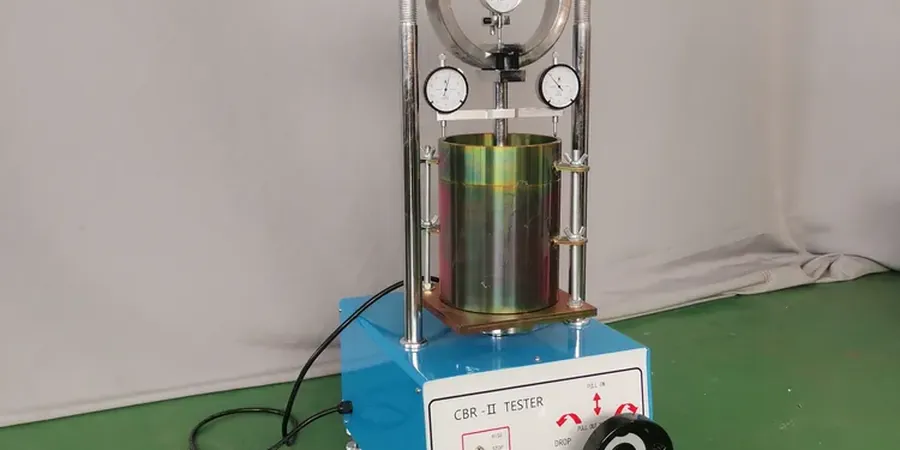
ASTM D1883 defines the California Bearing Ratio as a penetration test for evaluating the mechanical strength of subgrade soils and base course materials. In Memphis, the standard carries extra weight. The city sits on the Mississippi River alluvial plain, where Quaternary-age deposits of silt and clay extend to depths exceeding 60 feet in many areas. These fine-grained soils exhibit low bearing capacity. A reliable CBR value becomes essential before any pavement structural design proceeds. The Memphis metropolitan area includes over 6,800 lane-miles of roadway managed by the City of Memphis and TDOT. Many rehabilitation projects encounter fat clays with CBR values below 3%. Without a laboratory CBR, the design either overestimates subgrade strength or adds unnecessary cost through overdesigned sections. For projects near the Wolf River floodplain or the Loosahatchie River bottoms, we recommend pairing the CBR with a grain-size analysis to confirm fines content, and a Proctor test to establish the moisture-density relationship before compaction specifications are finalized.
A soaked CBR below 3% in Memphis alluvial clay means a 12-inch asphalt section may need 18 inches or more of aggregate base to compensate.