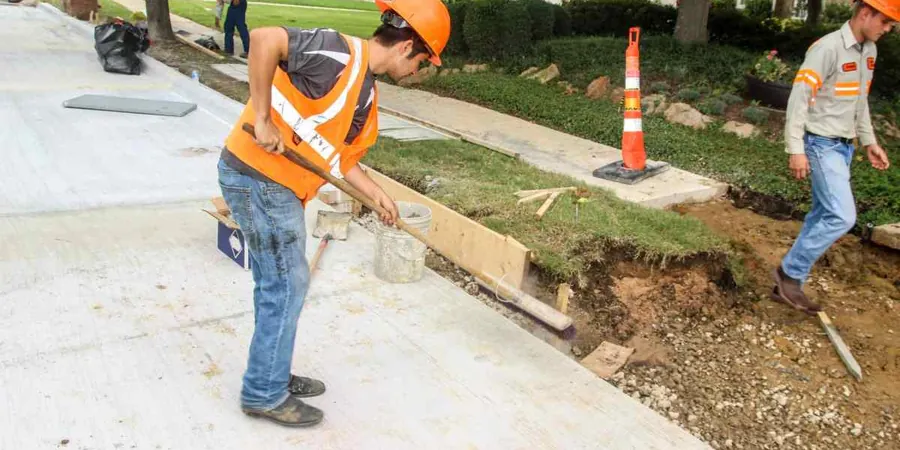
Memphis sits on a dynamic subsurface cocktail of Mississippi River alluvium, loess-covered bluffs, and the notorious Jackson Formation clay. Designing a rigid pavement here is not a copy-paste exercise; the same concrete mix that works on the Wolf River floodplain will crack prematurely on the silty terraces of East Memphis. The region's freeze-thaw cycles, combined with summer temperatures that push pavement joints to their thermal limits, demand a structural section that anticipates both curling stress and pumping failure at the subgrade. Our geotechnical lab integrates subgrade characterization—plasticity index, resilient modulus, and drainage coefficients—directly into the AASHTO 1993 structural equation. Before a single dowel bar is specified, we map the seasonal groundwater fluctuation, which in some areas of Shelby County sits less than 24 inches below the planned subgrade, requiring aggressive base drainage strategies to prevent faulting.
In Memphis, the difference between a 25-year and a 40-year rigid pavement is 2 inches of concrete and a properly drained subbase.