In Memphis, foundation engineering must directly address the region’s thick loess deposits and the high shrink-swell potential of local clay soils. This category covers geotechnical site investigation, bearing capacity analysis, and settlement control designed to meet the current International Building Code as adopted by Shelby County. Deep foundation solutions, particularly pile foundation design, are routinely specified to bypass unstable near-surface strata and transfer structural loads to competent bearing layers, ensuring long-term stability against seasonal moisture fluctuations.
Developers and structural engineers rely on these services for commercial mid-rises, critical infrastructure, and residential projects situated on problematic soils. When liquefaction risk in the Mississippi Embayment is a concern, dynamic site response analysis becomes essential, often paired with rigorous deep foundation testing to verify performance. Our approach integrates ground improvement strategies where applicable, providing a comprehensive path from subsurface characterization to foundation construction oversight.
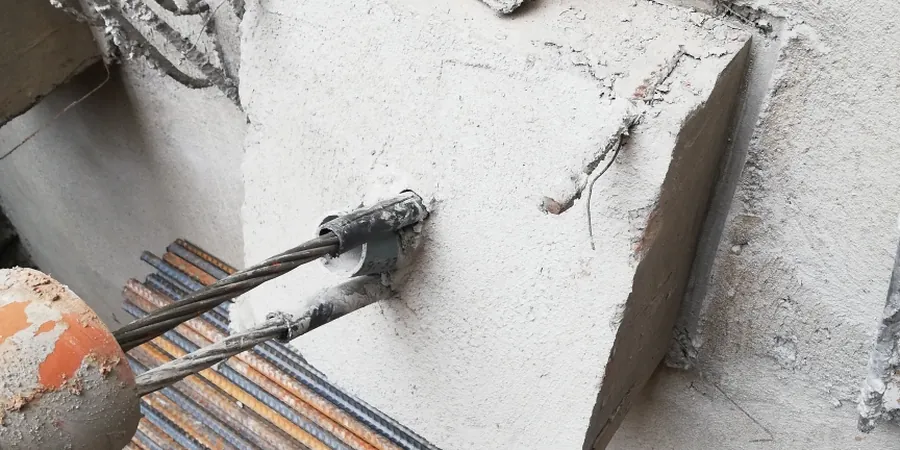
Specifying the wrong anchor type in Memphis alluvium turns a straightforward shoring job into a costly re-drill. We see it when crews attempt active bar anchors in low-strength clay without verifying the bond zone length—creep sets in within days. The Mississippi Embayment deposits that underlie the city, from the Jackson Formation silt to the younger alluvial sands, demand a clear distinction between active tendons that rely on a stressed free length and passive inclusions that engage the ground through deformation. Our laboratory anchors this decision on direct shear data, Atterberg limits, and index testing tied to AASHTO LRFD Section 11, so the design matches the actual stratigraphy rather than an assumed one. For deeper cuts near the Wolf River where soft layers alternate with dense sand, we often cross-check anchor capacity with CPT testing to refine the unit side resistance before finalizing the unbonded length.
In Memphis, the line between an active and passive anchor is drawn by the clay fraction: below 30 percent, post-tensioning works; above, passive grouted bars are often more reliable.