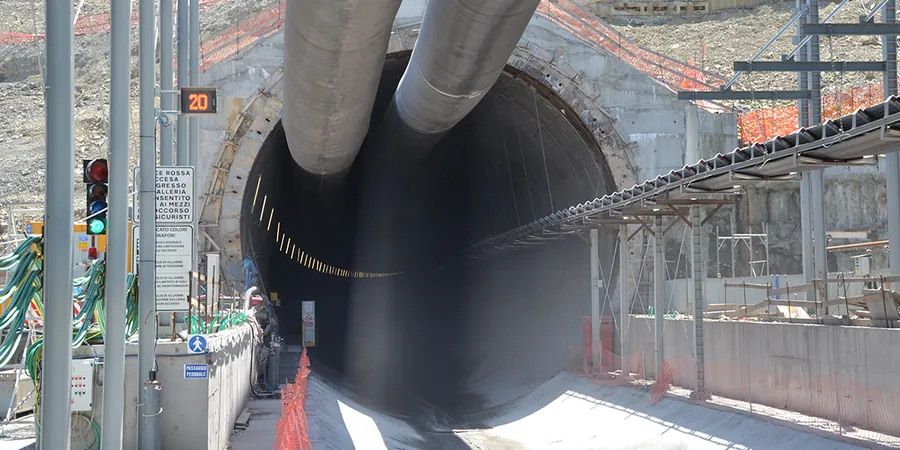
In Memphis, we see it often: tunneling crews hit a lens of water-charged sand just below the loess and the face starts to ravel. The Mississippi River left a lot behind. The city sits on a thick sequence of alluvial clays, silts, and sands, draped over the Jackson Formation. A standard desk study won't catch the perched water tables or the soft, organic lenses that appear between McLemore Avenue and the Wolf River. For a tunnel alignment through these deposits, we run a program that combines soft ground tunnel analysis with a detailed look at the Jackson Formation's stiff, overconsolidated clays. The goal isn't just a boring log. It's knowing where the face will stand and where it won't. Memphis has 300,000 people living above soils that can change completely in 100 feet. You need the right data before the TBM arrives.
In Memphis, the difference between a stable tunnel heading and a running ground condition often comes down to a single, thin sand seam the SPT missed.